Cart
0
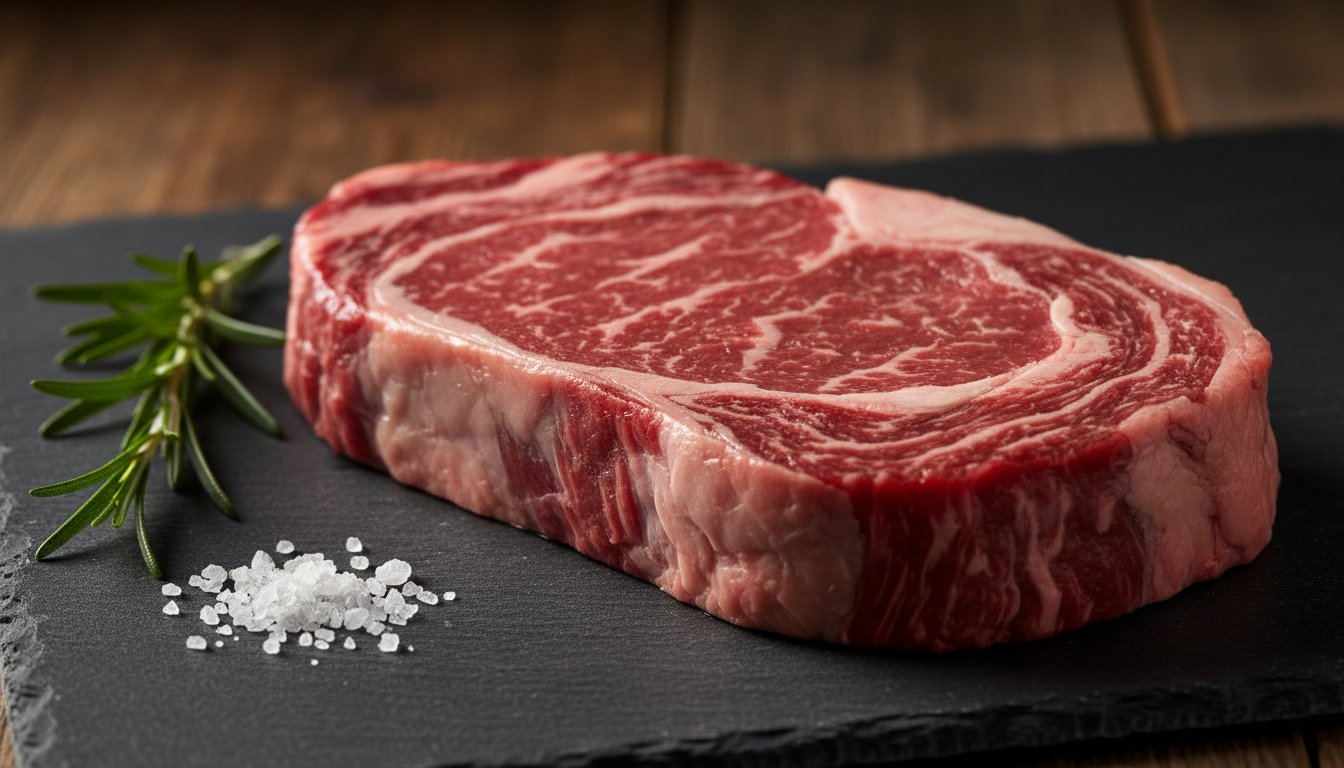
Walk into any butcher's shop or browse online, and the term 'grass-fed' is everywhere. But what does it truly mean for your dinner table? Is it genuinely worth the extra few pounds, or is it just another label? Here at The Artisan Butcher, we believe that understanding the journey from pasture to plate is key to appreciating the finest quality meat. For us, true grass fed beef is more than just a product; it's a commitment to a time-honoured ethos of animal welfare, environmental care, and, most importantly, exceptional flavour.
We understand the confusion, from puzzling over labels like 'grass-finished' to worrying that your beautiful joint might turn out tough. That's precisely why our artisan team has crafted this guide. We're here to share our passion and knowledge, helping you discover the incredible flavour and health benefits of properly reared beef. We’ll show you how to select the perfect cut for any occasion and cook it to tender perfection, so you can feel confident that you’re making a choice that’s good for your family, the animal, and the environment.
Key Takeaways
- Understand how a natural diet gives beef a richer, more complex flavour that truly reflects its origins.
- Learn why choosing grass fed beef is not only a more nutritious choice for your family but also a more sustainable one.
- Discover a butcher's top tips for selecting the finest cuts, ensuring you always bring home the best quality for your table.
- Master the simple cooking techniques that guarantee a tender and flavourful result every time you cook with grass-fed meat.
What is Grass-Fed Beef? Understanding the Gold Standard
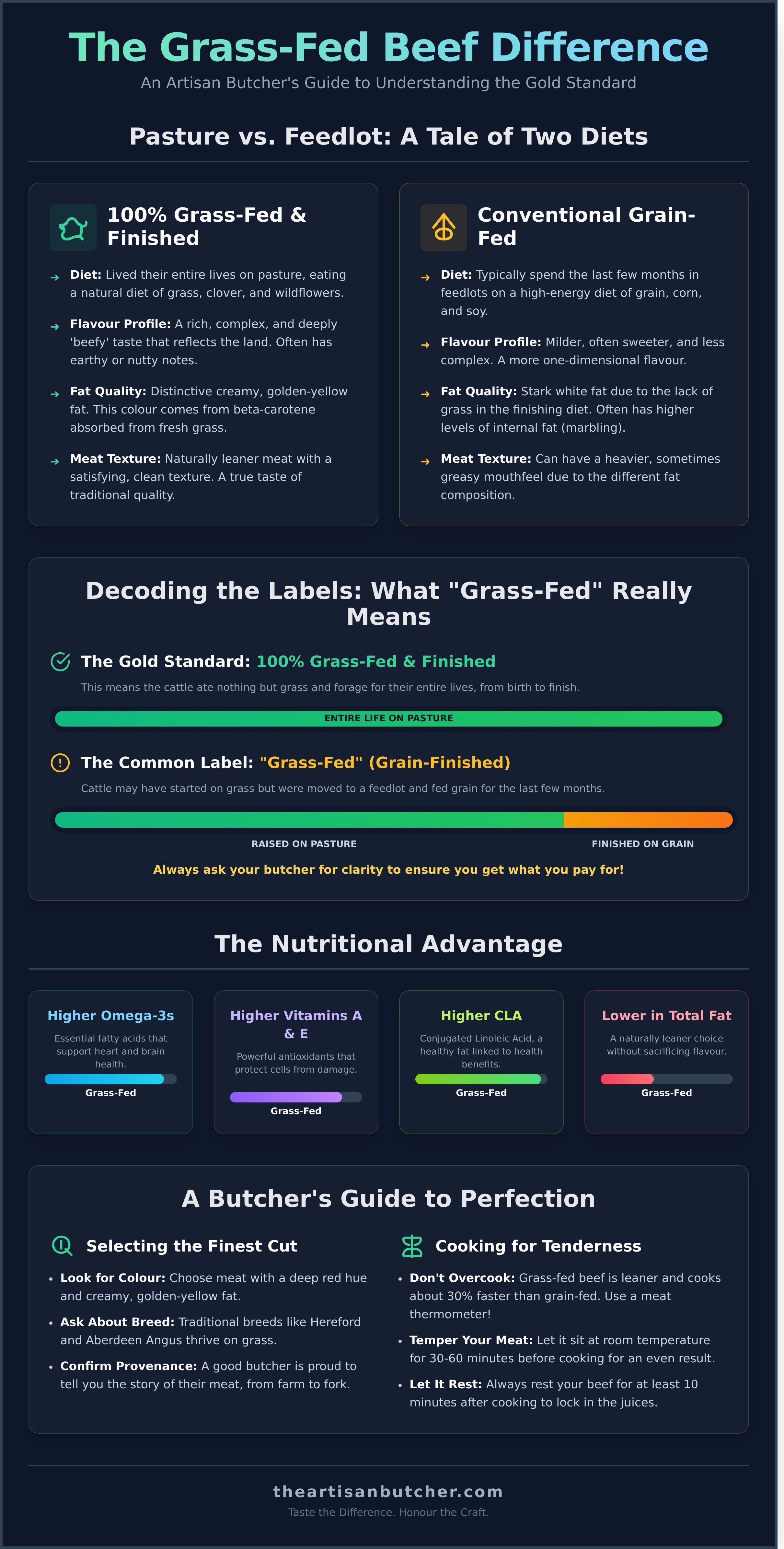
At its heart, 100% grass-fed beef comes from cattle that have eaten nothing but their natural diet of grass, wildflowers, and nutrient-rich forage for their entire lives. This isn't a modern food trend; it's a return to the traditional, time-honoured farming methods that respect the animal and the land. This natural diet allows the animals to grow slowly and mature at their own pace, developing a superior depth of flavour and nutritional quality that simply cannot be replicated. It stands in stark contrast to intensive, conventional systems where cattle are often moved to feedlots and fed a grain-based diet to speed up growth and increase fat.
To see a great visual comparison of the differences, this video from Andy Cooks is a fantastic guide:
Decoding the Labels: 'Grass-Fed' vs. 'Grass-Finished'
The terminology on packaging can be confusing, which is why transparency is central to our ethos as your local butcher. When we say grass fed beef, we mean '100% grass-fed and grass-finished'. This is our gold standard, ensuring the animal has never been fed grain at any point. Be aware that some products labelled 'grass-fed' may come from cattle that were 'finished' on grain for the last few months of their lives. Always ask your butcher for clarity-we are always proud to tell you the story behind our meat.
Grass-Fed vs. Grain-Fed: A Butcher's Comparison
The diet of cattle profoundly impacts the final product on your plate. The choice between grass and grain creates two distinctly different types of beef. If you're keen to understand the fundamental differences in what is grass-fed beef versus grain-fed, here’s a simple breakdown from our perspective:
- Diet: Our cattle graze on natural pasture, just as nature intended. Conventionally-raised cattle are often fed a high-energy, unnatural diet of corn and soy.
- Flavour Profile: Grass-fed beef boasts a more complex, earthy, and richly beefy flavour-a true taste of the land. Grain-fed beef is milder, often sweeter, with a less pronounced taste.
- Fat Content & Colour: Expect leaner meat with a distinctive, creamy-yellow fat, which is rich in nutrients like beta-carotene from the pasture. Grain-fed beef typically has more internal fat marbling with stark white fat.
The Importance of Native Breeds and Provenance
At The Artisan Butcher, we believe that the breed of cattle is just as important as its diet. Traditional British breeds like Hereford, Aberdeen Angus, and Longhorn are perfectly suited to a grass-based diet, thriving in our local pastures and climate. By sourcing directly from low-intensity farms in our community, we guarantee complete traceability from field to fork and support a sustainable farming system. This commitment to provenance and tradition is a cornerstone of our promise to bring you the finest quality meat.
The Flavour Difference: Why Grass-Fed Beef Tastes Better
One of the first things our customers notice is the remarkable difference in taste. The flavour of grass-fed beef is a genuine reflection of the animal's life-a life spent roaming on lush, diverse pastures. Much like the concept of 'terroir' in wine, where the soil and climate shape the character of the grapes, the environment and forage of the cattle create a unique, authentic flavour in the meat. The result is a clean yet deeply satisfying taste, free from the heavy, greasy mouthfeel that can sometimes accompany grain-fed alternatives.
A More Complex and 'Beefy' Taste
Cattle that graze on a natural diet of grasses, clover, and wild herbs develop a flavour that is profoundly more complex and robust. This diet creates a deeper, earthier, and distinctly 'beefy' taste profile. Unlike the often predictable, one-dimensional sweetness of grain-finished beef, which comes from a high-corn diet, grass-fed offers a more sophisticated experience. Discerning palates will often detect subtle, nuanced notes that can range from nutty and buttery to slightly gamey, changing subtly with the seasons.
Understanding the Fat: Colour and Quality
A clear visual indicator of true grass-fed beef is the colour of its fat. Rather than being pure white, the fat is often a beautiful creamy yellow or golden hue. This is a tell-tale sign of quality, caused by beta-carotene, a natural pigment and antioxidant the cattle absorb from fresh grass. This golden fat not only looks appealing but also renders down beautifully when cooked, basting the meat in its own rich juices. It's a visible sign of a nutrient-rich diet, which contributes not only to superior flavour but also to the wider health and environmental benefits of grass-fed beef.
How Our Dry-Ageing Process Elevates the Flavour
In line with our artisan ethos, we believe that the finest meat deserves time-honoured preparation. That’s why we dry-age all our grass fed beef for a minimum of 28 days. This traditional process is crucial for two reasons. First, it allows moisture to evaporate, which concentrates the beef's natural flavour for a more intense taste. Second, it allows the meat's own enzymes to tenderise the muscle fibres, resulting in an exceptionally tender cut. This patient, careful process is a testament to our craft and is absolutely essential for achieving the remarkable depth of flavour our customers expect.
The Health and Environmental Benefits of Choosing Grass-Fed
While the rich, complex flavour is often what first draws people to grass-fed beef, the benefits extend far beyond the dinner plate. Choosing meat from pasture-raised animals is a conscious decision to support a more wholesome, ethical, and sustainable food system. It’s a choice that reflects a deeper appreciation for quality, from the health of the soil to the health of your family.
This appreciation for natural, high-quality products often extends to all members of the family, including our pets. Just as we seek out wholesome food for our table, many pet owners are now looking for similar human-grade options for their dogs. For those interested, you can check out DF Dog Food to see this philosophy in practice.
A Superior Nutritional Profile
The old saying, "you are what you eat," applies just as much to cattle as it does to us. A natural diet of grass and forage results in beef that is not only more flavourful but also nutritionally distinct from its grain-fed counterparts. When you choose grass-fed, you're getting:
- Higher Levels of Omega-3s: These healthy fats are crucial for brain and heart health, and grass-fed beef can contain up to five times more than grain-fed beef.
- More Conjugated Linoleic Acid (CLA): A beneficial fatty acid associated with numerous health advantages.
- A Rich Source of Antioxidants: Including higher concentrations of vitamin A, vitamin E, and glutathione, which help protect your body's cells.
- Naturally Leaner Meat: With less overall fat and fewer calories, it's a wholesome choice for any meal.
Better for Animal Welfare and the Planet
At The Artisan Butcher, our ethos is built on respect for the animal and the land. The grass fed beef we source comes from cattle that live as nature intended: roaming freely in open pastures, grazing on a natural diet. This low-intensity farming isn't just better for the animals; it's better for the environment. Well-managed grazing practices improve soil health, increase biodiversity, and can even help sequester carbon from the atmosphere. This commitment to natural grazing is fundamental, and for those keen to learn more, understanding the official grass-fed beef terminology helps clarify the high standards we uphold. We partner only with farmers who share in our ethos, ensuring every cut of meat reflects these time-honoured values.
Supporting Traditional British Farming
When you buy from us, you're doing more than just putting food on the table. You are casting a vote for the kind of food system you want to see. You are supporting small, local British family farms that are the custodians of our traditional landscapes. This strengthens our local economy, preserves time-honoured farming methods, and ensures a more resilient and transparent food chain for future generations. It’s a connection between the farmer, the butcher, and your family-a bond we are passionate about strengthening. Taste the difference quality farming makes.
A Butcher's Guide to Buying and Cooking Grass-Fed Beef
At The Artisan Butcher, we believe that cooking exceptional grass fed beef should be a joy, not a challenge. We often hear from customers who worry that it might be less tender than grain-fed varieties. The truth is, with the right approach, it can be the most succulent and flavourful beef you’ve ever tasted. The secret lies not in the meat itself, but in the time-honoured cooking methods that respect its unique qualities. With a few key principles from our team, you can cook with confidence and achieve a perfect result every time.
Choosing the Right Cut for Your Dish
Matching the cut to your cooking method is the first and most important step. Each part of the animal works differently and therefore shines in different dishes. Here is our simple guide:
- For a classic Sunday roast: A Sirloin Joint or Topside offers a fantastic balance of deep flavour and tenderness that is perfect for carving at the table.
- For the perfect steak night: You can't go wrong with a well-marbled Ribeye, a classic Sirloin, or a flavour-packed Rump steak seared to perfection.
- For rich, slow-cooked dishes: Cuts like Brisket, Shin, or Featherblade are designed for gentle, slow cooking. They break down over several hours to become incredibly tender and flavourful.
If you're ever unsure, our team is always happy to offer advice. Browse our full range of grass-fed beef cuts to find the perfect centrepiece for your next meal.
Key Cooking Principles: Low and Slow is Your Friend
Because it is naturally leaner, grass fed beef cooks about 30% faster than its grain-fed counterpart. Overcooking is the primary cause of toughness, but it's easy to avoid. Keep these simple rules in mind:
- Bring it to room temperature: Take your beef out of the fridge at least 30-60 minutes before cooking. A cold start leads to uneven cooking.
- Use a lower heat: A slightly gentler heat prevents the lean meat from drying out before the inside is perfectly cooked.
- Trust a meat thermometer: It’s the most reliable way to ensure your beef is cooked precisely to your liking without any guesswork.
The Crucial Step: Resting Your Meat
If you take away only one piece of advice, let it be this: resting your meat is non-negotiable. While the beef rests, its muscle fibres relax and reabsorb the juices that were pushed to the centre during cooking. Slicing too early means all that incredible flavour will end up on your chopping board instead of in your meal.
- Steaks and smaller cuts: Rest for 10-15 minutes under a loose tent of foil.
- Larger roasting joints: These require at least 20-30 minutes before carving.
Patience here is the final, essential ingredient for a moist, tender, and unforgettable meal.
Experience the Artisan Difference in Every Bite
Choosing beef from pasture-raised cattle is about more than just a meal; it's a commitment to exceptional flavour, higher nutritional value, and a more sustainable way of farming. From its rich, complex taste to its benefits for the environment, it represents the gold standard in quality and tradition, a difference you can truly taste on the plate.
At The Artisan Butcher, this philosophy is at the heart of our ethos. Our passionate team sources the finest grass fed beef from local, low-intensity British farms that share our values. We then use time-honoured techniques, like expertly dry-ageing every cut for at least 28 days, to develop a tenderness and depth of flavour that is trusted by professional chefs and families in Warwick and across the UK.
Ready to bring this exceptional quality to your own kitchen? Explore Our Range of Traditionally Reared Grass-Fed Beef and discover the difference that true craftsmanship makes. We look forward to sharing our passion for great meat with you.
Frequently Asked Questions About Grass-Fed Beef
Is grass-fed beef more expensive, and is it worth it?
Grass-fed beef often carries a higher price tag, typically costing a few pounds more per kilo than standard supermarket beef. This reflects the time-honoured, slower-growing process and the higher welfare standards we champion. We believe the value is undeniable. You're investing in a product with superior, richer flavour, a better nutritional profile, and the peace of mind that comes from supporting sustainable, local farming practices that align with our ethos. It's a true taste of quality.
Is grass-fed beef tougher than grain-fed beef?
This is a common misconception. Because grass-fed beef is naturally leaner, it can become tough if overcooked. The key is in the preparation. For steaks, cook them slightly less than you would a grain-fed cut-a beautiful medium-rare is perfect-and always let them rest before slicing. For other cuts, low-and-slow cooking methods like braising or stewing will yield incredibly tender, flavourful results that truly celebrate the quality of the meat.
Is 'organic' beef the same as 'grass-fed' beef?
Not necessarily, although the two certifications often go hand-in-hand. 'Organic' certification in the UK guarantees the animal was raised without routine antibiotics and on feed free from pesticides. However, this feed can include organic grains. 'Grass-fed', on the other hand, specifically refers to the animal's diet. For the highest standard, look for labels like 'Pasture for Life', which guarantees the animal has eaten only grass and forage its entire life.
Can I use grass-fed beef in my normal recipes?
Absolutely! You can use grass-fed beef in all your favourite family recipes, from a hearty cottage pie to a Sunday roast. Its rich, deep flavour will elevate any dish. Just be mindful that because it's leaner, it may cook a little faster than you're used to. We find its superior taste truly shines through, so you might even discover you need fewer additional seasonings to create a wonderfully satisfying meal for your family.
How can I tell if beef is truly grass-fed when I'm buying it?
The most reliable way is to look for a 'Pasture for Life' (PFA) certification, which is the gold standard here in the UK. Vague terms like 'grass-finished' can be misleading. The best approach, however, is to build a relationship with a trusted local butcher. The Artisan Team prides itself on knowing exactly how our cattle were raised. We can tell you the farm's name and confirm their commitment to a 100% grass-fed ethos.
What's the best way to store grass-fed beef at home?
For fresh beef, store it in its wrapping on a plate on the bottom shelf of your fridge-this is the coldest part and prevents any drips. We recommend using mince within a day or two and steaks or roasts within three to four days. Our grass fed beef also freezes exceptionally well. For best results, wrap it tightly to prevent freezer burn and defrost it slowly in the fridge overnight before you plan to cook it.